10 Failing Answers To Common Glaziers Questions: Do You Know The Right Answers?


What Do Window Glaziers Do?
Window glazing can bring many benefits to your home such as increased comfort, security and energy efficiency. Glaziers are the skilled tradespeople who use glass to ensure that it is installed and sealed correctly.
Window glazing is a substance that resembles putty and is used to close the gap between the window frame and the glass. It can be oil- or latex-based.
Installation
Glaziers employ their specialization to install windows and other glass structures in businesses, homes, and public spaces. They also repair and replace broken windows and doors. This work involves carefully removing the old glass and fitting new panes as well as sealing joints using caulk or putty. A properly fitted window glass can help maintain a comfortable indoor temperature and increase energy efficiency. It also enhances the appearance of a space.
You can take a vocational course to prepare you for the job, or you can find an apprenticeship with a specialist or construction Fenestration firm. You can take a vocational course to prepare for the job, or you can find an apprenticeship with a construction or specialist fenestration company. A glazier's responsibilities and duties may vary based on the kind of project or installation, but all jobs require the ability to read blueprints or specifications. Glaziers must also be physically fit and capable of exerting 100 lbs. of force. They must also have good vision at 20 inches and 20 feet.
During replacement projects Glaziers must make sure that the new window meets the original specifications and dimensions of the frame. This requires precise measurements and the use of specific tools, and the know-how to ensure smooth edges of the new window. Glaziers have been trained to shape and cut different types of glass including laminated and tempered and apply coatings to protect the surface. They can also use a suction cup to handle heavy or large glass panes.
After removing the old window, a glazier should measure the opening for the new pane and cut it to size. The glazier should leave a space of around 1/16 inch around the edge of the window in order to allow the application of the window glaze. If they're replacing a single pane, the glazier can then apply a thin layer of window glaze to the frame made of wood and put the glass piece into place. The glazier will trim and sand off the excess glaze after it has dried.
It's not a wise idea homeowners to replace their windows themselves. Professionals have the right equipment and expertise to complete it safely. Glaziers must adhere to strict safety guidelines in order to avoid accidents while working with heavy equipment and dangerous materials. They should also be able to provide detailed estimates to give customers an accurate idea of the cost and duration of the project.
Repair
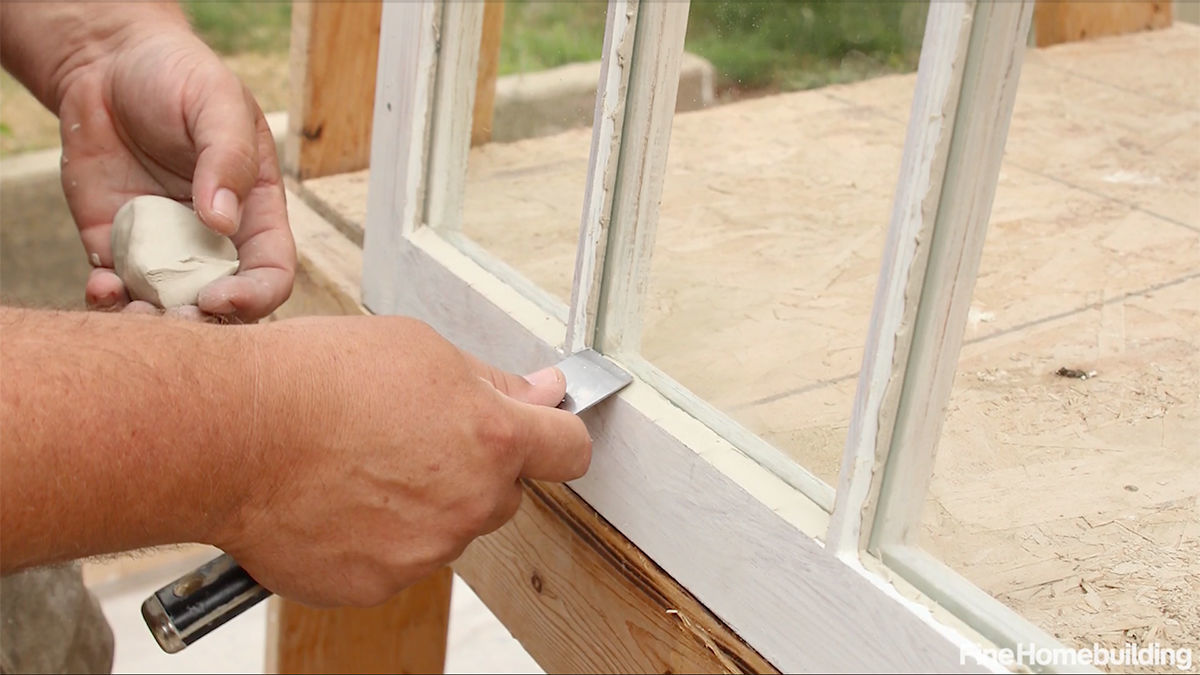
Glaziers can repair windows and doors on commercial structures as well as in residential structures. They can also repair gaskets and seals for windows and frames that are damaged. Glaziers also use traditional glazing putty that is a mix of denatured alcohol as well as boiled in linseed oil to re-gild the pane or frame. It is more difficult to use than modern silicone caulk however it creates a stronger bond and creates an even surface once it is set. Glaziers typically apply the compound using a putty blade, which lets them achieve greater precision.
The glazier will clean the old putty from the window frame before replacing the glass. Before installing the new window, the area of glass that is glazed must be cleaned and the glass dimensions measured to ensure it is a good fit. The best place to buy replacement glass is at a home improvement store where you can get it cut to size. You can also purchase it with two small metal glazing points that will ensure it stays in place.
The Glazier will apply a thin layer mixture of denatured and linseed to the wooden frame within the glazing area after cleaning the window sash. This lets the putty cure for a few hours prior to the glass is placed in the frame and pressed against it using glazier's points. A small amount of paintable caulk is placed around the glass to secure the joint between the frame and window.
Glaziers should be familiar with the various kinds of glass that are used in a building, including laminated and tempering safety glass. They are aware of the advantages and limitations of each type as well as its construction characteristics and methods of installation. They frequently interact with architects, project managers, and other construction professionals to ensure that they know the specifications and requirements for each job. This requires excellent collaboration and teamwork skills. Glaziers must also adhere to all safety guidelines when working on a site.
Double-Glazed Fabrication
Due to their numerous benefits, double-glazed windows have become very popular. However, the process of making this kind of window necessitates the use of specific techniques and workshop space.
When a glazier performs double-glazed fabrication, their main goal is to improve the efficiency of their energy and also reduce noise. They achieve this by assembling two glass panes into one unit of windows with a sealed space between them. The space is filled with air or an inert gas that is non-toxic and non-toxic like argon to increase the window's insulation.
The first step in creating a double-glazed window is cutting the uPVC profiles by using a double-head machine. This is the process of preparing the profile for the next assembly.
The glazier will then fit the metal panel into the aluminum frame using structural tapes. They can choose to do this wet or dry depending on the project. It is recommended that wet glazing be done indoors to prevent dust, which can weaken the strength of the adhesive agent. Dry glazing is also favored for minimizing the amount of chemicals used, which is great for the environment.
To ensure a secure seal between the two panes of glass, glaziers use a sealing strip and an additional seal. This will prevent the transfer of moisture and heat between the the frame and the glass. Furthermore, this strip could include desiccant to absorb any moisture that might build up in the space between the glass panes.
Finally, the glass panes are assembled into the frame, and a uPVC seal is put on both sides to make sure it's airtight and watertight. This ensures that the gas inside can't escape or external moisture can enter the glass units.
Double-glazed windows can help reduce heating costs in cold climates. They offer superior insulation and significantly lower energy losses when compared to conventional windows. They also aid in limiting the flow of sound and allow natural light to enter rooms. It is important to note that the thermal performance can be affected by a number variables, such as frame material and triple or double glazing, and gas fill. A higher U-factor results in a more effective thermal performance, however this can be offset by other factors such as frame material.
High-Security Glazing
Many buildings are searching for ways to increase security in the wake of significant events. One popular option is installing security glass to block a potential active shooter from getting into the building. These products can be designed with forced entry resistance, bullet resistance or both. These products can be added to existing door frames and windows or integrated into a new building. While they are not as durable as glass, can act as a barrier to ward off an attacker, and allow for the occupants of the building to run or hide, while waiting for the police to arrive.
Glazing systems that are certified for resistance to forced entry are tested using a number of methods. UL Solutions tests glass samples to determine if they withstand forced entry attacks with sharp and blunt tools like pliers and hammers. The quality of a sample is assessed by its resistance to the penetration of these tools, with levels that range from P1 for the weakest to P7B for most resistant.
Other methods of testing include crashing the glass with metal balls dropped at different levels to test its strength. Two of these tests are UL 972 Burglary-Resisting Glazing, and EN 356 Axe test resistance against Manual Attack.
Ballistic-rated windows are used in certain schools and other public spaces where there is a risk that could pose a threat to employees, students, or other visitors. The glass must withstand a variety of rounds from various kinds of firearms in order to be rated for this kind of security. Glazier and Glazing bexhill-on-sea repairmywindowsanddoors on the product will indicate the rating.
Regardless of the specific protection level, it is essential to select a complete system. The glazing should be combined with framing and anchors that combine to create an effective defense against threats. A professional glazier can assist you in finding the best solution for your project.
Companies such as DefenseLite offer over-glazing solutions that can be combined with glass already in use to provide an additional layer of protection. The clear polycarbonate shields are 250 times stronger than glass and nearly invisible when installed, making them an affordable method of reducing attacks by criminals. DefenseLite systems can be customised fabricated to match the threat level of the site and the existing glazing conditions and budget for the project.